



Protect Your Paddock FromPoisonous Plants
Once you’ve taken the time and trouble to establish the perfect pasture for your horse paddock using Jubilee Seeds specialised equine grass seed mixes you can’t just sit back and rest on the flourishing grass while the horses graze.
A good pasture needs continuous management to guard against the incursion of weeds and other unwelcome plants or trees that are toxic to horses and ponies. Poisonous plants tend to thrive on poor quality pasture, so protect your paddock to ensure that the “nasties” don’t get a foothold and your equine companions stay safe.
Some of the plants that are toxic to horses – causing severe illness or even death – appear quite innocuous, so it is important to make sure you know what to look out for when you’re undertaking your seasonal horse paddock maintenance.
We’ve put together this guide to the commonly found UK plants that pose a danger to the health and safety of horses, with added information about the signs, symptoms and consequences of your horse ingesting them:
Notorious Toxic Plants Dangerous to Horses
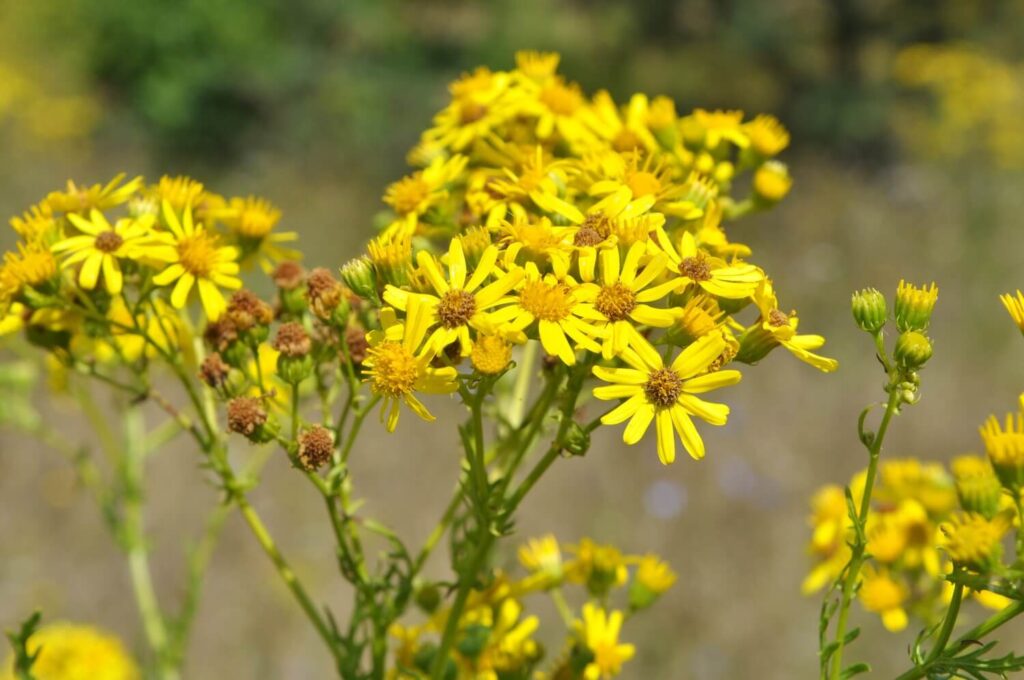
Ragwort (Senecio jacobaea)
This infamous yellow-flowered weed is a widely known threat to horses, but it still creeps in to paddocks like a grim reaper. While its bitter taste usually deters grazing, dried ragwort (in late summer and autumn) loses its bitterness and becomes more palatable. Ingestion can lead to irreversible liver damage (seneciosis) with symptoms like weight loss, lethargy, and ultimately, death.
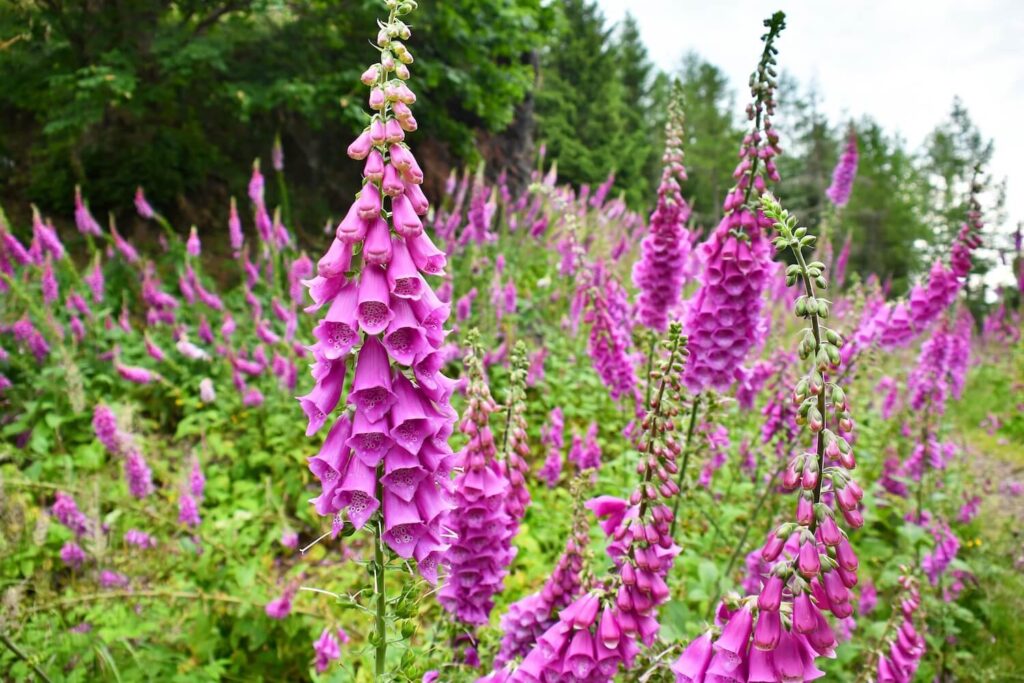
Foxglove (Digitalis purpurea)
This tall, showy plant with purple flowers between June and September contains cardiac glycosides that can disrupt heart rhythm and cause weakness, tremors, diarrhoea, breathing difficulties and potentially death.
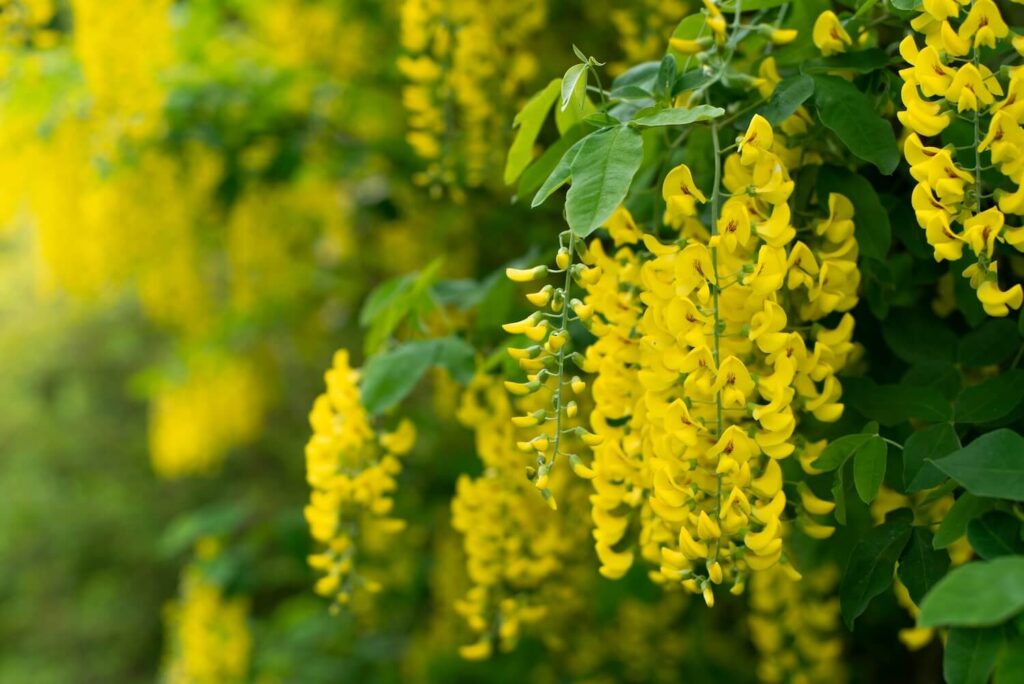
Laburnum (Laburnum anagyroides)
This ornamental tree with golden yellow drooping flowers is especially dangerous because its seeds resemble peas and may be tempting to young horses. All parts of the laburnum contain cytisine, a toxin that can cause convulsions, coma, and death.
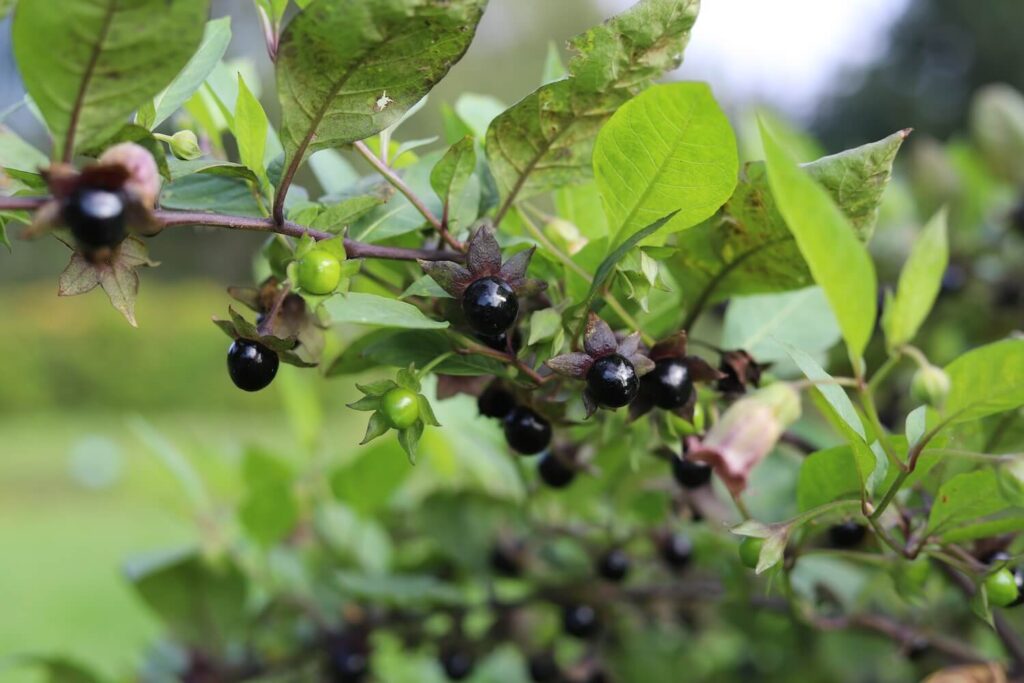
Deadly Nightshade (Atropa belladonna)
This woodland plant, with its shiny black berries, is highly toxic. Atropine and scopolamine in all parts of the plant – especially the stems and leaves – can cause dilated pupils, hallucinations, and loss of consciousness. Intoxication with this plant is seldom fatal, however you should still call a vet if you think your horse has ingested deadly nightshade.
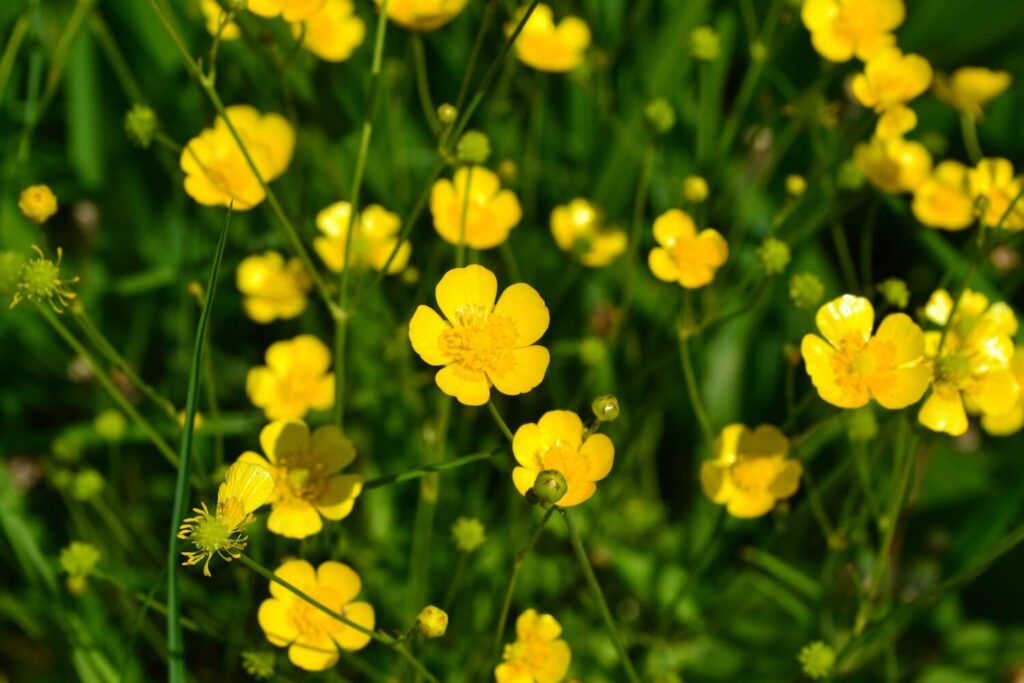
Buttercups (Ranunculus)
These tiny, dainty yellow flowers are a threat to horses if eaten fresh, but it would take a very large quantity to kill a horse. The leaves and stems release a toxic oil called protoanemonin which causes excessive salivation, mouth blisters, diarrhoea and mild colic, making a horse very unwell.
Privet (Ligustrum)
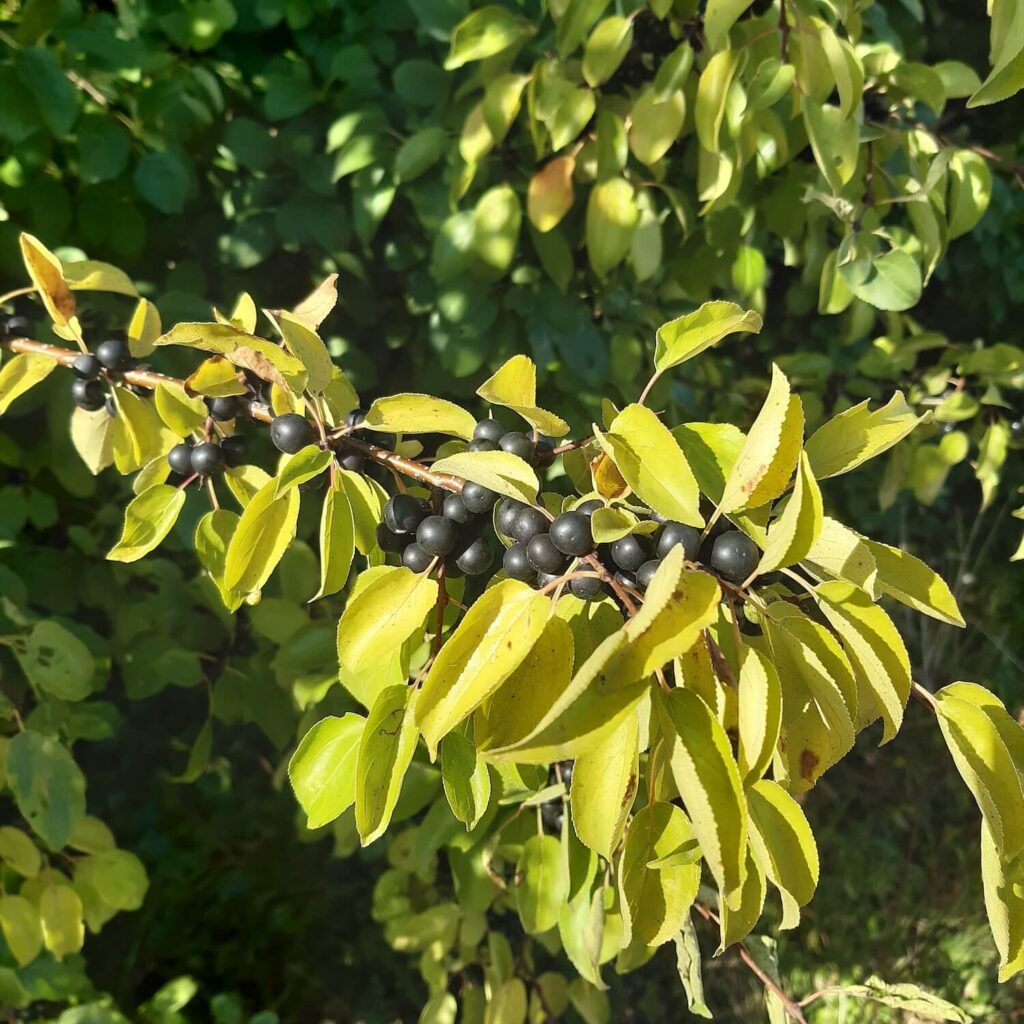
This hedging plant is usually not ever used to enclose a field for good reason. The leaves and berries are poisonous to animals. Horses find privet unpalatable but may ingest some accidentally, causing gastrointestinal distress, paralysis, convulsions followed very quickly by death.
Treacherous Trees that Horses Should Avoid
Oak Leaves & Acorns
The fruit of the oak tree – acorns – contain tannic acid that is toxic to horses in large amounts. Oak leaves are also mildly toxic. Fortunately horses don’t find acorns particularly tasty, especially if they have other food options available, but if they do ingest a lot of acorns they could suffer colic and kidney damage.
Sycamore
The sycamore tree itself is not a problem but their “helicopter” seeds and the saplings that grow from them contain Hypoglycin-A, which can cause a potentially fatal equine condition. Symptoms are muscle stiffness, tremors, sweating, a high heart rate and dark red urine. Call the vet immediately!
Yew
Horses are unlikely to gobble up the yew tree’s bitter leaves and berries bear in mind it doesn’t take much of this highly toxic material to quickly bring on a cardiac arrest in a horse – and once it’s been ingested there’s no cure.
How to Eradicate Toxic Plants from Your Horse Paddock
If infestation is severe you may need professional help to clear the land.
Dealing with the invasive toxic plants by hand is not only a daunting job but also not very effective because unless the entire root is killed the plant will regenerate over time. Some weeds have deep roots that spread widely, so it is very difficult to ensure you have removed all of it.
A specialised weedkiller is probably the best way to target specific plants without damaging the surrounding grass, but you will need to keep horses out of the paddock for some time while it takes effect.
Once you have cleared the toxic weeds you may find the pasture has been compromised. Poor pasture can be over seeded or reseeded with an appropriate equine paddock grass seed mixture from Jubilee Seeds’ equine range. We also have a paddock repair kit perfect for patching poached areas of the paddock.